
Platform-first material handling
Move the load.
Keep the route calm.
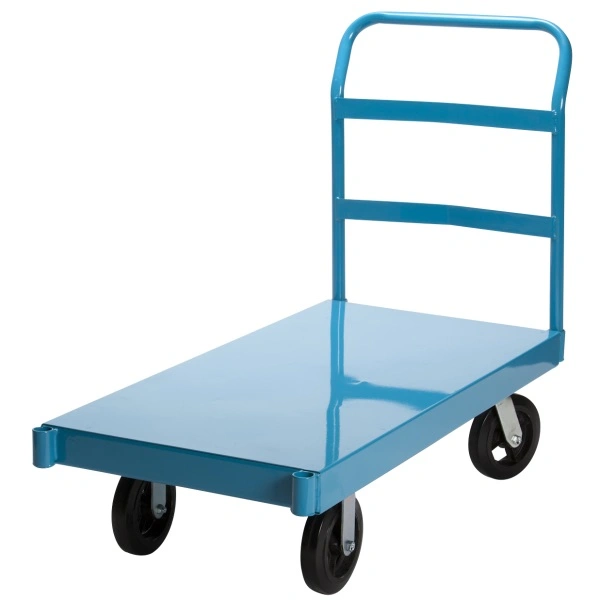
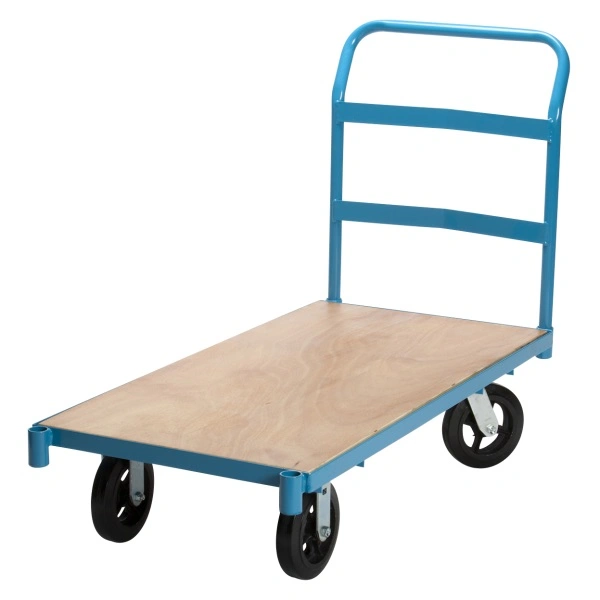
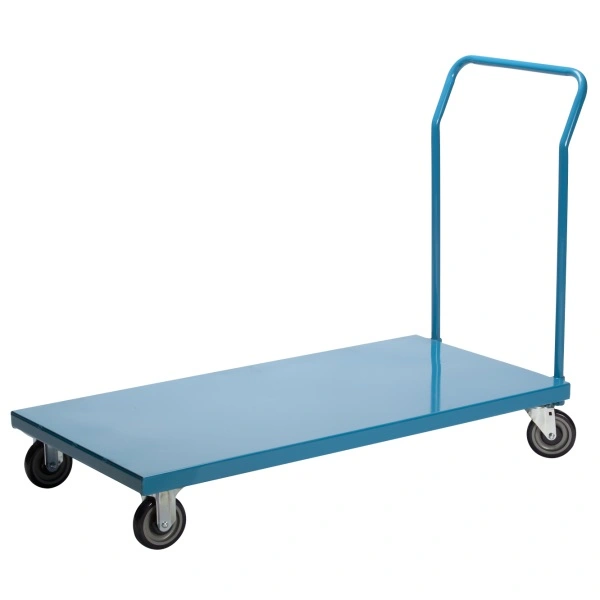
Three platform trucks, separated by deck material, footprint and working capacity—so a stockroom cart does not have to pretend it is a heavy industrial truck.
4-point
caster logic
caster logic
1,200–2,400lb capacity range
24–60in deck dimensions across the line
3clear platform choices
STEEL FRAME●REMOVABLE HANDLE●SWIVEL + RIGID CASTERS●WAREHOUSE ROUTES●STEEL FRAME●REMOVABLE HANDLE●SWIVEL + RIGID CASTERS●WAREHOUSE ROUTES●STEEL FRAME●REMOVABLE HANDLE●SWIVEL + RIGID CASTERS●WAREHOUSE ROUTES●STEEL FRAME●REMOVABLE HANDLE●SWIVEL + RIGID CASTERS●WAREHOUSE ROUTES●
01 / Route
Choose by what the floor asks of the cart
A platform truck is a route decision before it is a capacity number.
Door widths, floor joints, turning space and the shape of the load determine whether a cart feels easy or awkward in daily use. The Bcseedsdepot range keeps the comparison simple: MD-1200 for medium duty movement, TimberCore for a hardwood deck on a heavy frame, and Atlas for larger steel-deck loads.
The four-wheel arrangement used across the range combines steering freedom with straight-line stability. Choose the deck size that fits your common load without creating unnecessary bulk around corners.
Three ways to carry the day
Platform trucks, without the catalogue maze.
Compare capacity, deck construction and footprint first. Each product page then narrows down the working details.
02 / Load
Capacity needs context
Evenly distributed weight is the number that counts.
Rated capacity assumes the load is supported across the deck rather than concentrated on a small point. Dense equipment, machines with narrow feet and tall unstable stacks may need additional review even when the total weight appears to fit the rating.
For mixed warehouse work, consider how often the truck crosses thresholds and how much operators need to pivot in confined space. Larger wheels and a larger deck can help one route while creating excess footprint on another.